

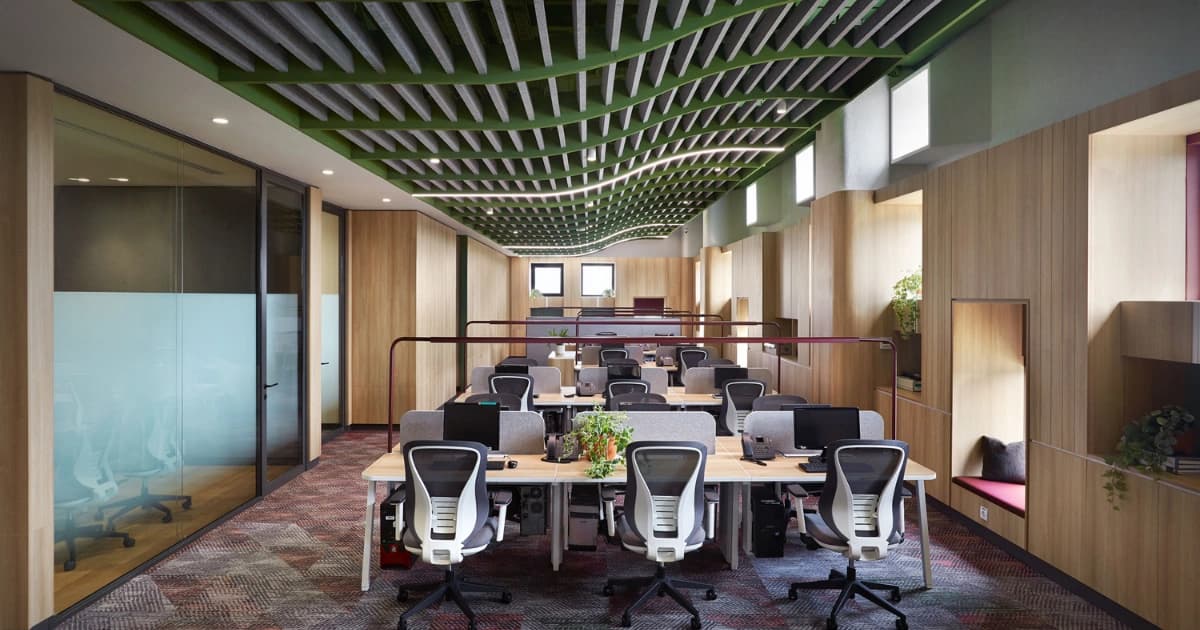
Turning flexible seating into a productive workplace strategy
Unassigned seating, often known as hot-desking, has become increasingly common in modern offices. As work patterns grow more fluid and hybrid models take hold, many companies are moving away from the one-desk-per-person approach. The goal is not only to optimize space, but also to support collaboration, mobility, and changing daily needs.
While some employees value the freedom and flexibility, others struggle with the loss of personal territory. The success of unassigned seating doesn’t lie in removing assigned desks—it lies in designing the right system around them.
Here’s how thoughtful design and planning can make unassigned seating truly work.
Design for Personal Ownership
Even without assigned desks, people still need a sense of ownership. Providing personal lockers or storage allows employees to keep essentials close while maintaining a clean, shared workspace. This balance helps reduce friction and supports a more comfortable transition to flexible seating.
Establish Clear Use Etiquette
Shared spaces work best when expectations are clear. Simple guidelines—such as clearing desks after use, wiping surfaces, and releasing desks when stepping away for extended periods—help maintain order and mutual respect. When etiquette is built into the culture, the space feels intentional rather than chaotic.
Support a Paper-Light Environment
Unassigned seating thrives in a digital-first workspace. Cloud-based file sharing, collaborative platforms, and reduced reliance on paper make it easy for employees to move freely without losing access to information. The less physical storage required, the more adaptable the space becomes.
Enable Seamless Technology
Technology should remove barriers, not create them. Unified communication systems, flexible login solutions, and desk-location tools allow employees to stay connected regardless of where they sit. When technology adapts to people, mobility becomes effortless.
Prioritize Ergonomic Consistency
Comfort should never be compromised. Adjustable chairs, height-adjustable desks, and flexible monitor setups ensure employees can work comfortably at any station. Ergonomic consistency across the office eliminates the need for “preferred desks” and supports long-term wellbeing.
Embrace Hybrid Flexibility
Unassigned seating works best when paired with flexible work policies. Allowing employees to work remotely or choose where they work on certain days reduces pressure on office capacity while reinforcing trust and autonomy.
Like any workplace shift, unassigned seating takes time to settle. But with the right design, tools, and mindset, it can lead to better collaboration, smarter space usage, and a more agile work culture.
Vinoti | VIVERE Commercial