

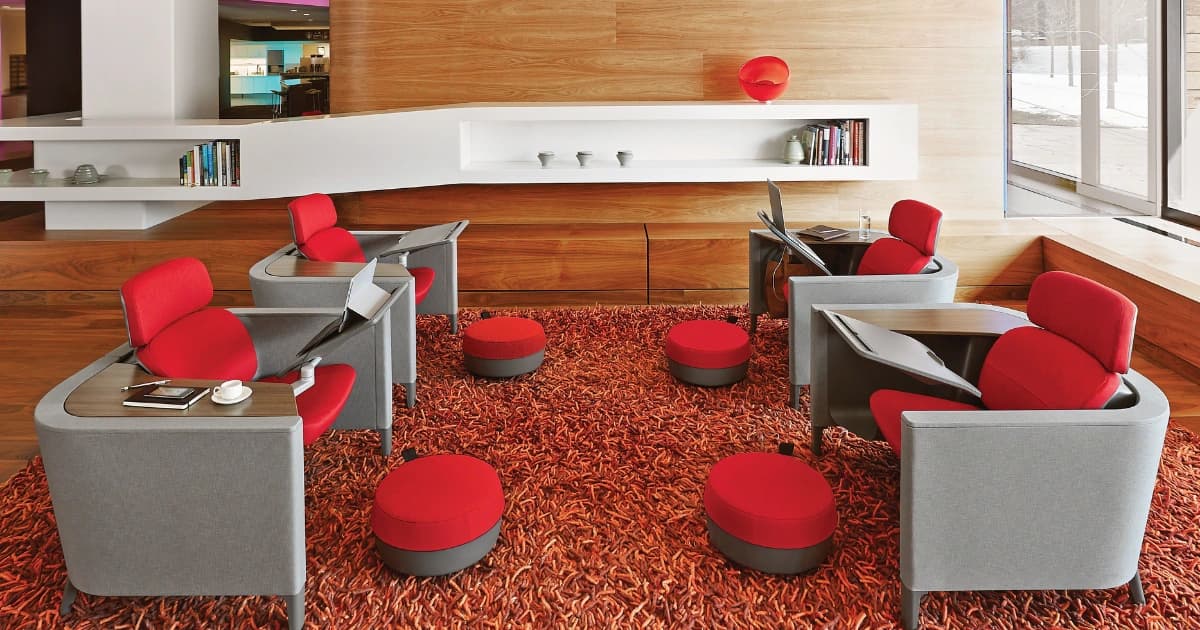
Practical Design Principles to Support Motivation and Productivity
Employee motivation doesn’t start with targets or incentives—it begins with the environment they work in every day. Research consistently shows that a well-designed office can influence focus, mood, physical health, and long-term productivity. When a workspace feels comfortable, intuitive, and human-centered, employees are more likely to stay engaged and perform at their best.
Office design, therefore, should go beyond aesthetics. It should actively support how people think, move, and interact. Below are several key design principles to consider when creating a workplace that truly energizes its users.
Prioritize Natural and Balanced Lighting
Lighting has a direct impact on alertness and circadian rhythm. Studies have found that employees who receive adequate daylight exposure during working hours experience lower levels of fatigue and improved mood compared to those working in dim environments.
Where possible, maximize natural light through wide windows, glass partitions, or open layouts that allow light to travel deeper into the space. In addition to supporting physical and mental well-being, natural daylight also helps reduce energy consumption.
For artificial lighting, cooler white light is generally more suitable for task-focused areas, as it promotes alertness and concentration. Warmer lighting, on the other hand, works better in break areas or informal lounges where relaxation is encouraged. The key is layering light intentionally—rather than relying on a single lighting tone throughout the office.
Invest in Ergonomic Furniture as a Long-Term Asset
Visual appeal may attract attention, but ergonomics sustain performance. Furniture that supports natural posture and movement helps reduce fatigue, musculoskeletal issues, and long-term health risks—factors that directly affect productivity and absenteeism.
Ergonomic design aims to create working conditions that are effective, safe, comfortable, and efficient. Chairs, desks, and even storage elements should be designed around the user’s body, not the other way around. Studies have shown that ergonomic workstations can significantly increase productivity while lowering physical strain.
When selecting furniture, it’s important to look beyond surface design and understand how each element supports movement, adjustability, and daily use patterns.
Use Color Strategically, Not Decoratively
Color is often underestimated in workplace design, yet it plays a powerful psychological role. Certain colors can help calm the mind, enhance focus, or stimulate energy—depending on how and where they’re applied.
Cool tones such as blue, green, and soft grey are known to support concentration and create a sense of stability, making them suitable for workstations and meeting rooms. Warmer or more vibrant colors—like yellow, orange, or red—can be introduced as accents through furniture or accessories to add energy and prevent the space from feeling monotonous.
Rather than applying color uniformly, consider zoning: focused areas, collaborative spaces, and relaxation zones can each benefit from different color approaches.
Consider Scent as Part of the Spatial Experience
The workplace experience is multi-sensory, and scent is one of its most subtle yet influential elements. Certain aromas have been shown to affect mood, alertness, and cognitive performance.
For example, citrus scents like lemon are associated with increased alertness, while rosemary can help sharpen memory and mental clarity. Lavender may reduce stress, and mint can provide a gentle energy boost. That said, scent should always be used with restraint, as sensitivity varies greatly from person to person.
When applied thoughtfully, scent can quietly support focus and emotional well-being without becoming a distraction.
Vinoti | VIVERE Commercial