

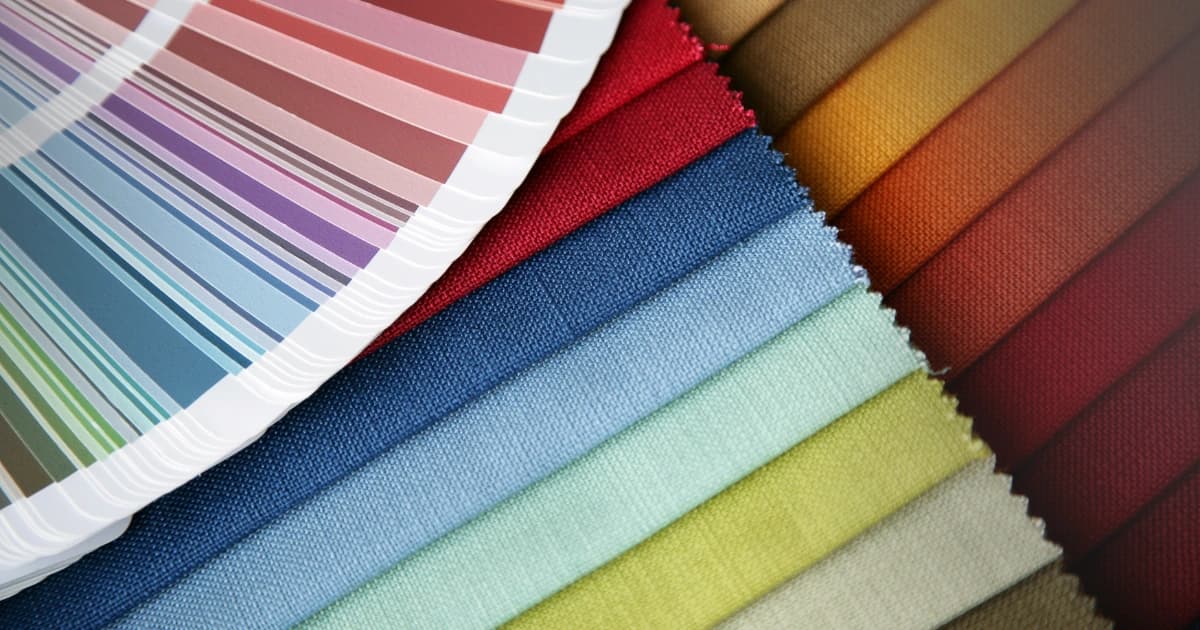
Comfort, durability, and design all start with material—understanding the differences helps you choose better.
When selecting an office chair, comfort is often the first consideration. However, comfort doesn’t come from form alone—it is strongly influenced by the materials used on the seat and backrest. The right material affects not only how a chair feels, but also how it performs over time, how easy it is to maintain, and how well it fits the working environment.
Office chairs commonly use four main types of materials: fabric, mesh, leather, and synthetic leather. Each offers distinct advantages, depending on usage, aesthetic preference, and budget.
Fabric
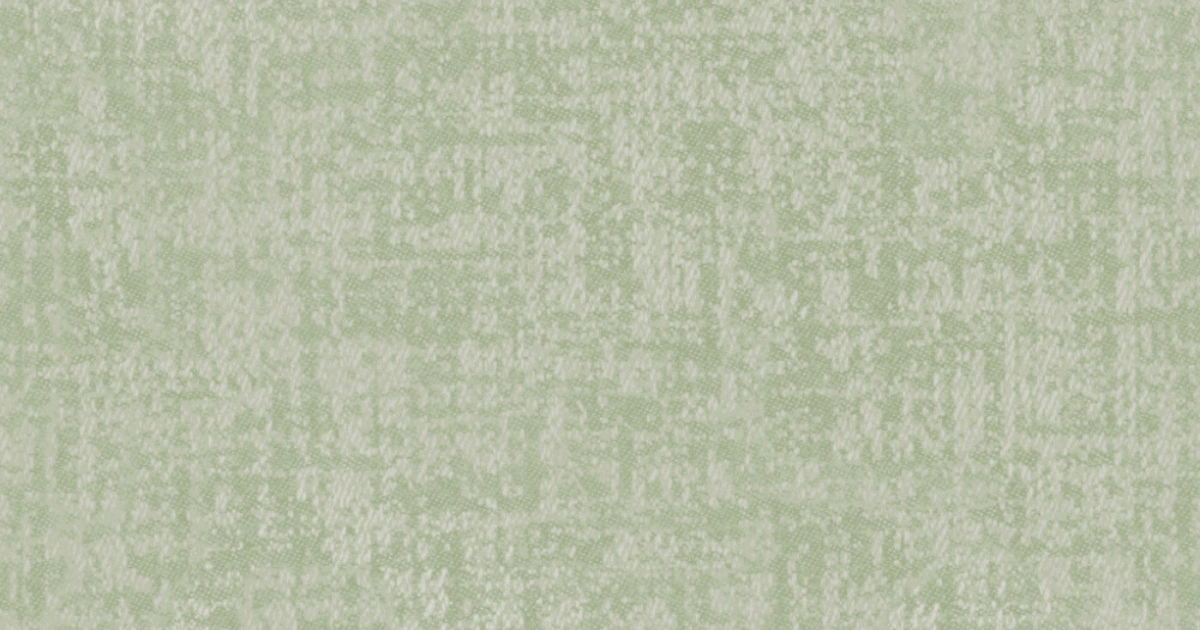
Fabric is one of the most widely used materials for office chairs. It is breathable, durable, and comfortable for long periods of sitting, making it suitable for daily use in most work environments. Fabric also offers the widest range of colors and textures, allowing greater flexibility in design.
However, fabric requires more care. Spills and stains can be difficult to remove, and sharp objects may damage the surface. Fabric chairs are best suited for controlled office settings where maintenance is manageable.
Mesh
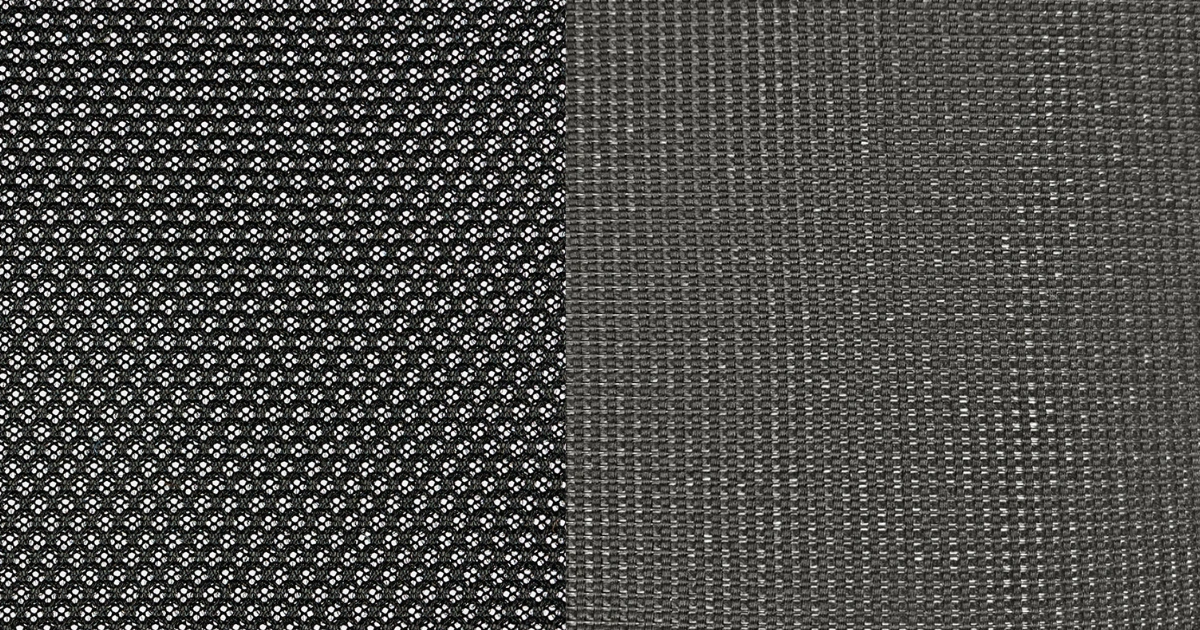
Mesh is commonly used on chair backrests and, in some designs, seat surfaces. Its key advantage lies in ventilation. The open structure allows air to circulate freely, helping reduce heat buildup and discomfort during long sitting hours.
Mesh is elastic, supportive, and visually lightweight—making it a popular choice for modern offices. Routine cleaning is essential, as dust and dirt can accumulate within the mesh structure over time.
Leather
Leather is often associated with executive or formal office spaces. It offers a refined, premium appearance while being relatively resistant to stains. Leather chairs are easy to clean and maintain when treated properly, usually requiring only a damp cloth or specialized leather conditioner to preserve moisture and prevent cracking.
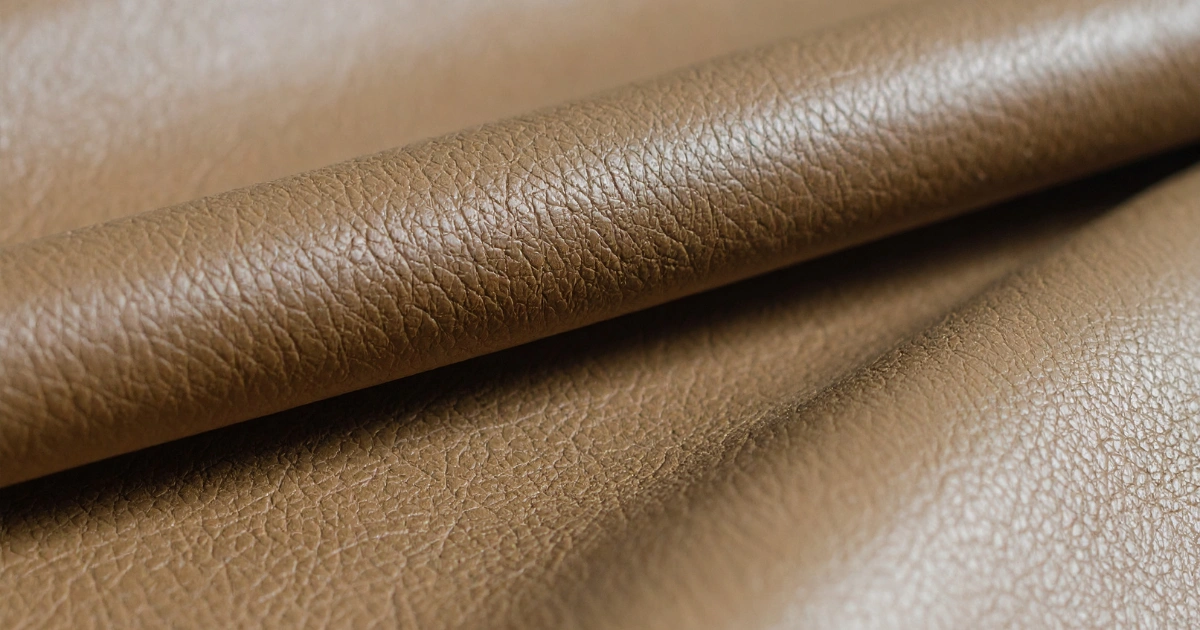
While durable and visually impressive, leather comes at a higher cost and may feel warmer in certain environments, especially without adequate air circulation.
Synthetic Leather
Synthetic leather, also known as faux leather, provides an alternative for those working within a limited budget or seeking non-animal materials. Visually, it can closely resemble genuine leather and is easy to clean and maintain.
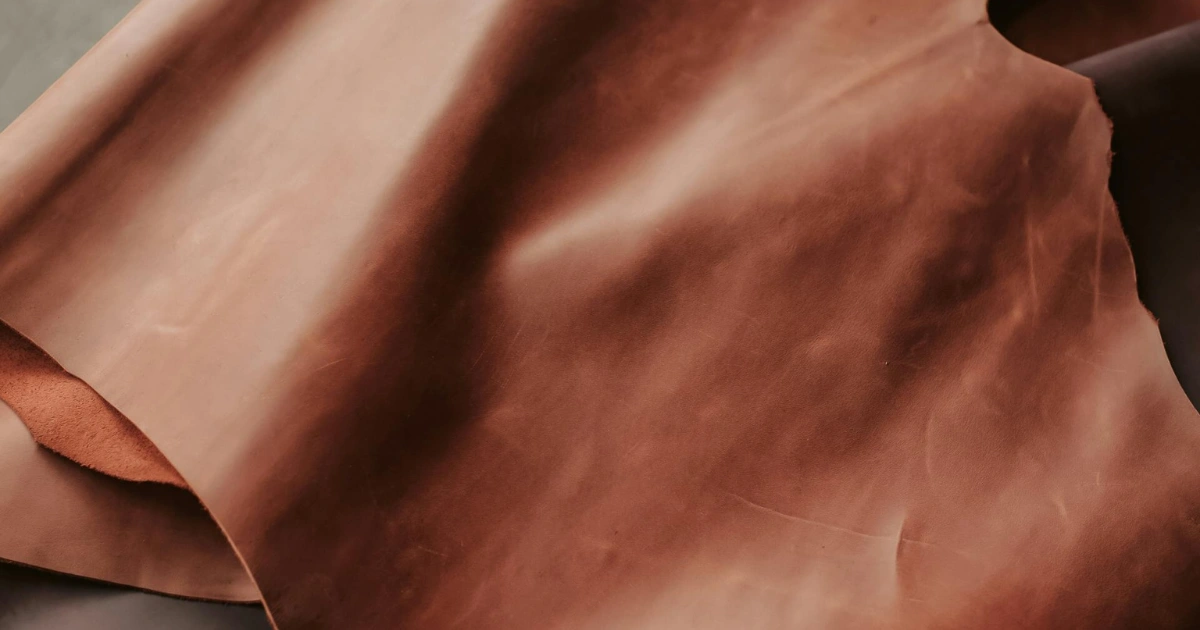
The main difference lies in durability and texture. Synthetic leather may not age as gracefully as genuine leather, but it remains a practical option for many office settings when selected carefully.
Choosing the right office chair material should be based on how the chair will be used, the working environment, maintenance considerations, and overall design intent. When selected thoughtfully, the right material can significantly enhance comfort, support productivity, and contribute to a better workplace experience.
Vinoti | VIVERE Commercial