

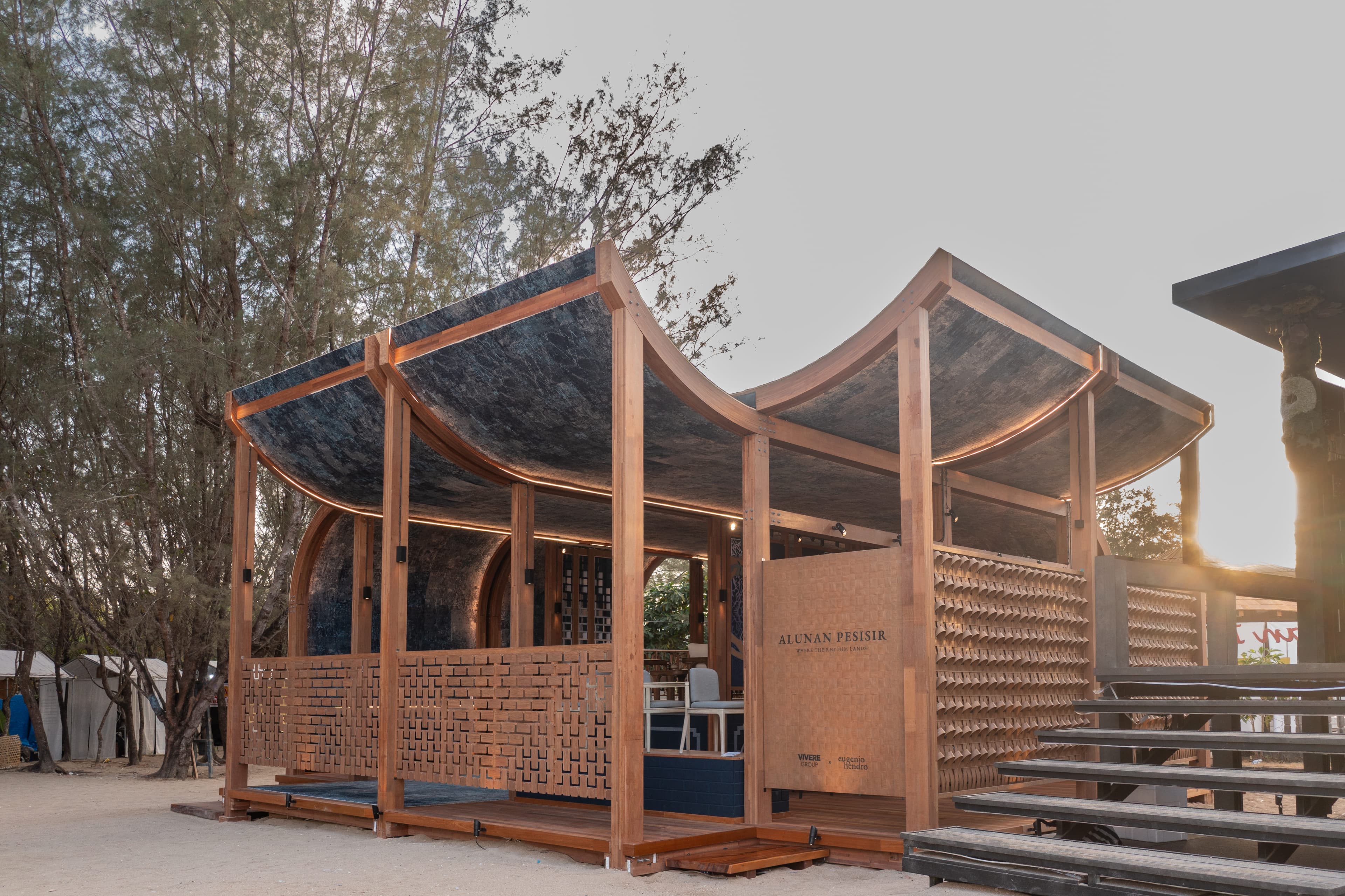
At Jiā CURATED 2026, we presented Alunan Pesisir as part of VIVERE Group’s collaboration with designer Eugenio Hendro. The project explored how the rhythms of people and nature could be translated into furniture, materials, and space.
Held from 13 to 17 August 2026 at Pengembak Beach in Sanur, Bali, Alunan Pesisir brought together design, craftsmanship and material exploration within an open pavilion by the coast. The project began with a relationship that has always been present. Nature shelters human life, while people carry the responsibility to care for it in return.
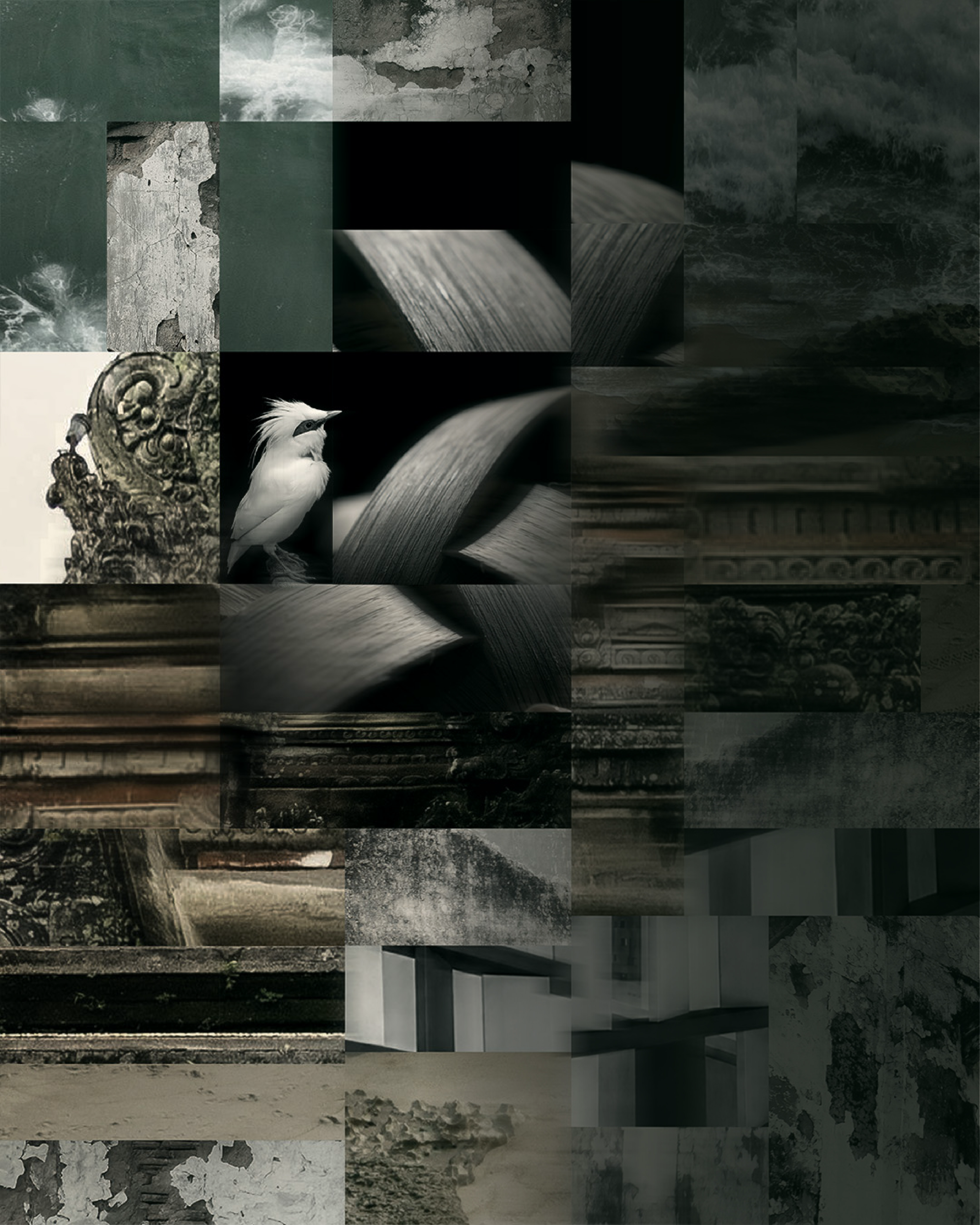
Rather than representing this relationship literally, we explored it through rhythm. Rhythm appears in the way people move, arrange and build, as well as in the sounds and patterns found in nature. This journey of observing rhythm, translating it into design and giving it a physical place, became the foundation of Where the Rhythm Lands.
At Jiā CURATED 2026, these rhythms came together and found their place in Alunan Pesisir.
A pavilion shaped as shelter
A series of curved timber frames formed the primary structure of the pavilion, creating an open space that visitors could enter from different directions. Above it, a large woven surface represented nature as a shared shelter. It extended over the activities below without fully enclosing them, allowing light, air and views of the surrounding landscape to remain part of the experience.
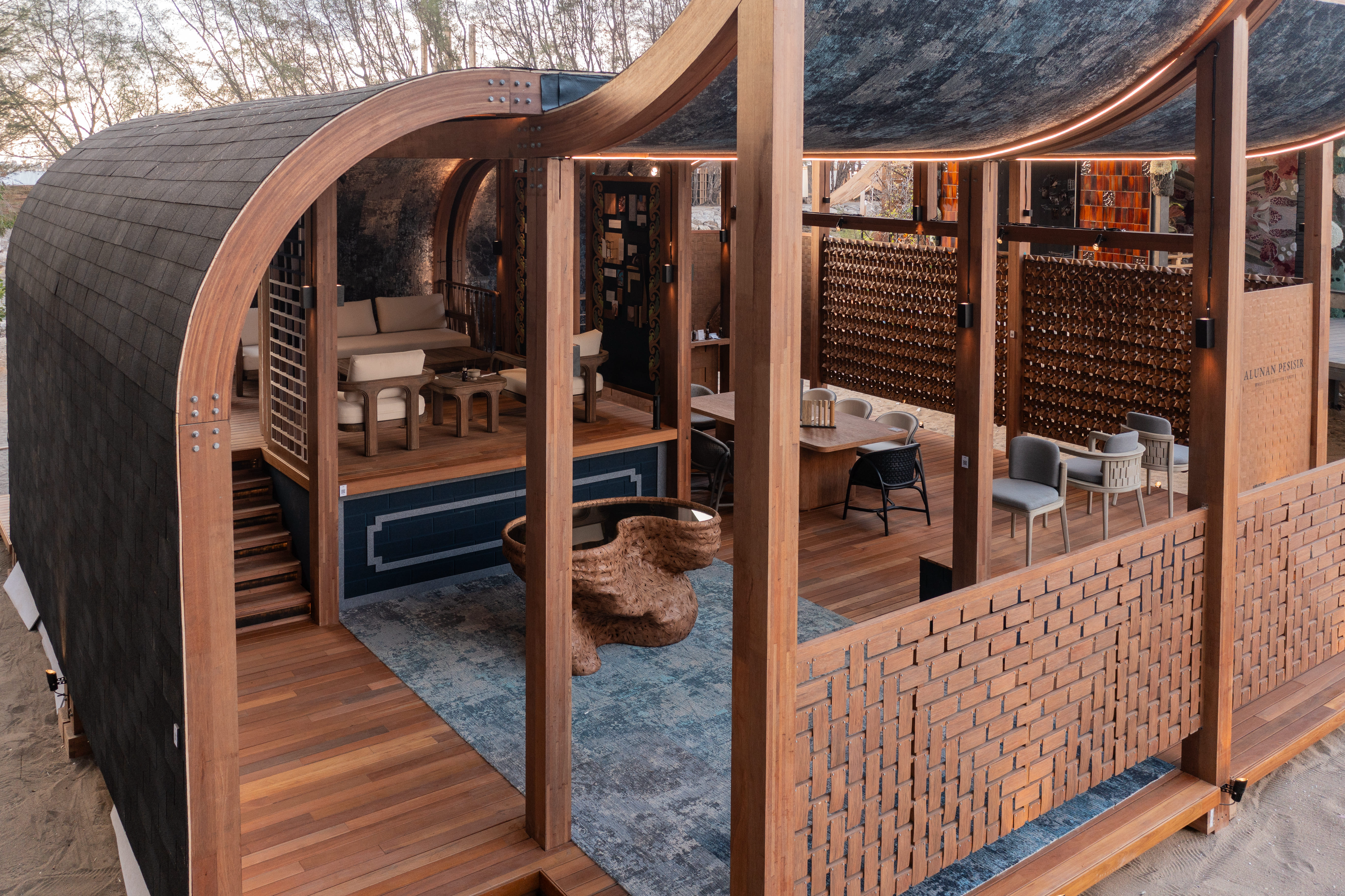
The openness of the pavilion meant that its atmosphere continued to shift throughout the day. Daylight moved across its surfaces; shadows changed with time, and the sound of the coast became part of the installation.
The timber structure was developed with Timberlab. Lighting by Ascendo followed the architectural lines and revealed the pavilion’s material depth after sunset. Bitumen material by Highland introduced a contrasting overhead texture, while flooring by Ubinkayu continued the natural palette at ground level.
Together, these elements created the spatial framework for the rest of the story.
PALI: the rhythm of steps
PALI takes its name from the Balinese word palih, referring to layers or repeated elements.
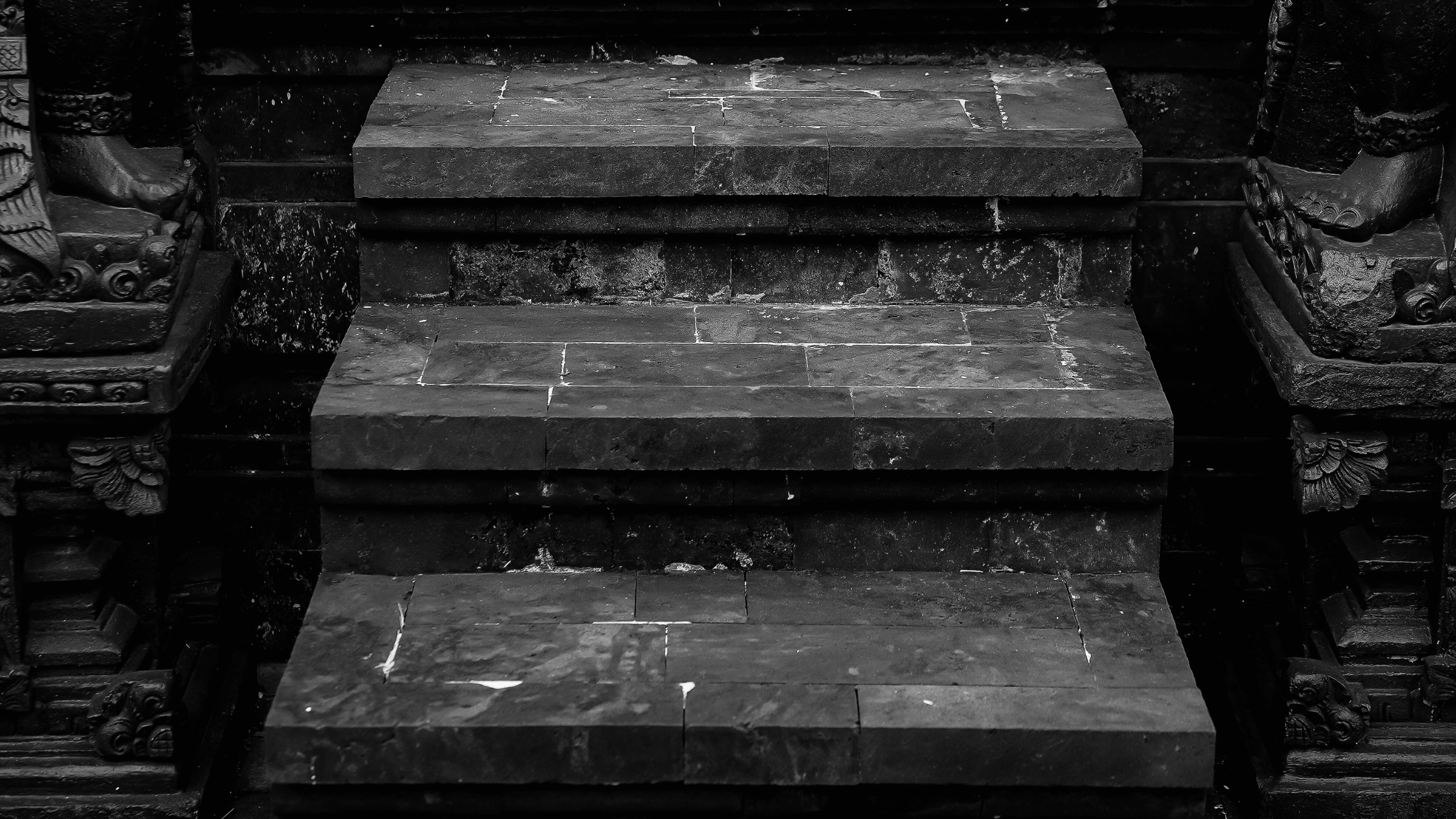
Its design draws from stepped structures found in Balinese architecture. These references were translated into gradual changes in height and repeated layers within the furniture’s construction and silhouette.
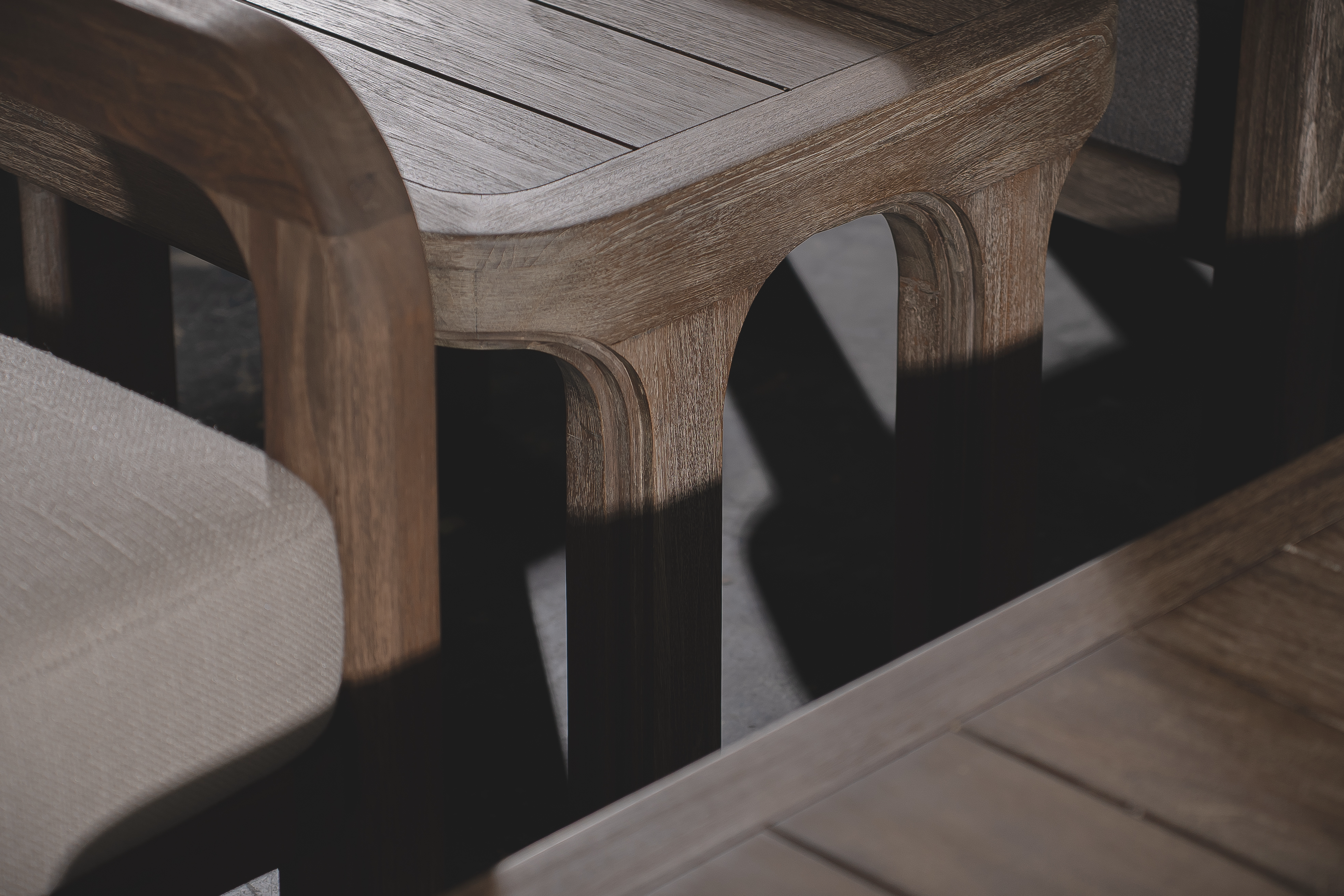
The movement of stepping up and down also carries a wider meaning. It reflects how people move forward, encounter change, and continue to grow through each stage of life. Instead of using the architectural reference as decoration, PALI integrates it into the furniture itself. Its rhythm appears in the way the volumes meet, rise, and repeat.
NATA: the rhythm of order
NATA explores the visual rhythm created through arrangement.
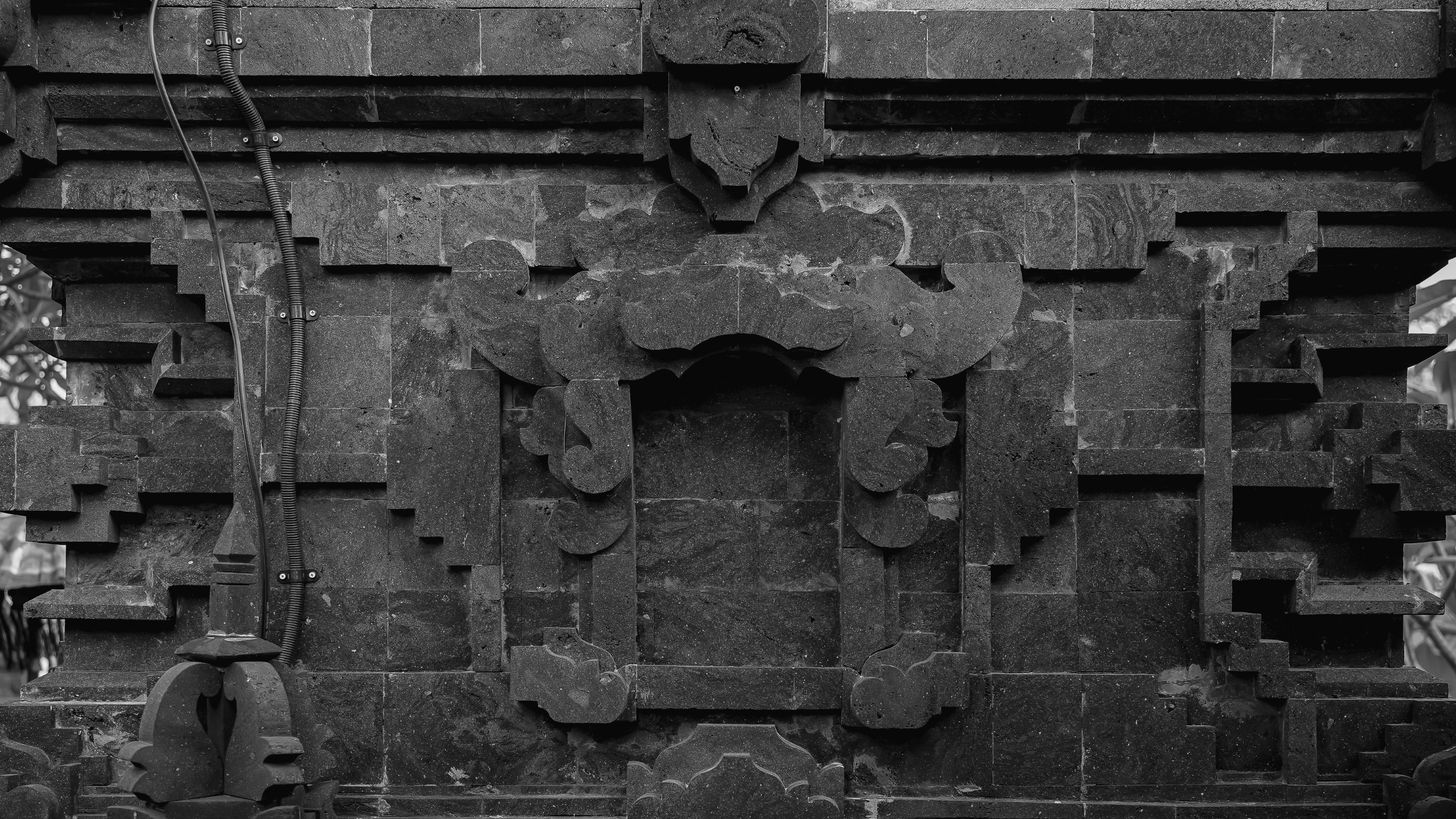
The collection draws from linear patterns formed by modular square stone and brick compositions. Within the furniture, these patterns appear as aligned edges, structured proportions, and interconnected elements.
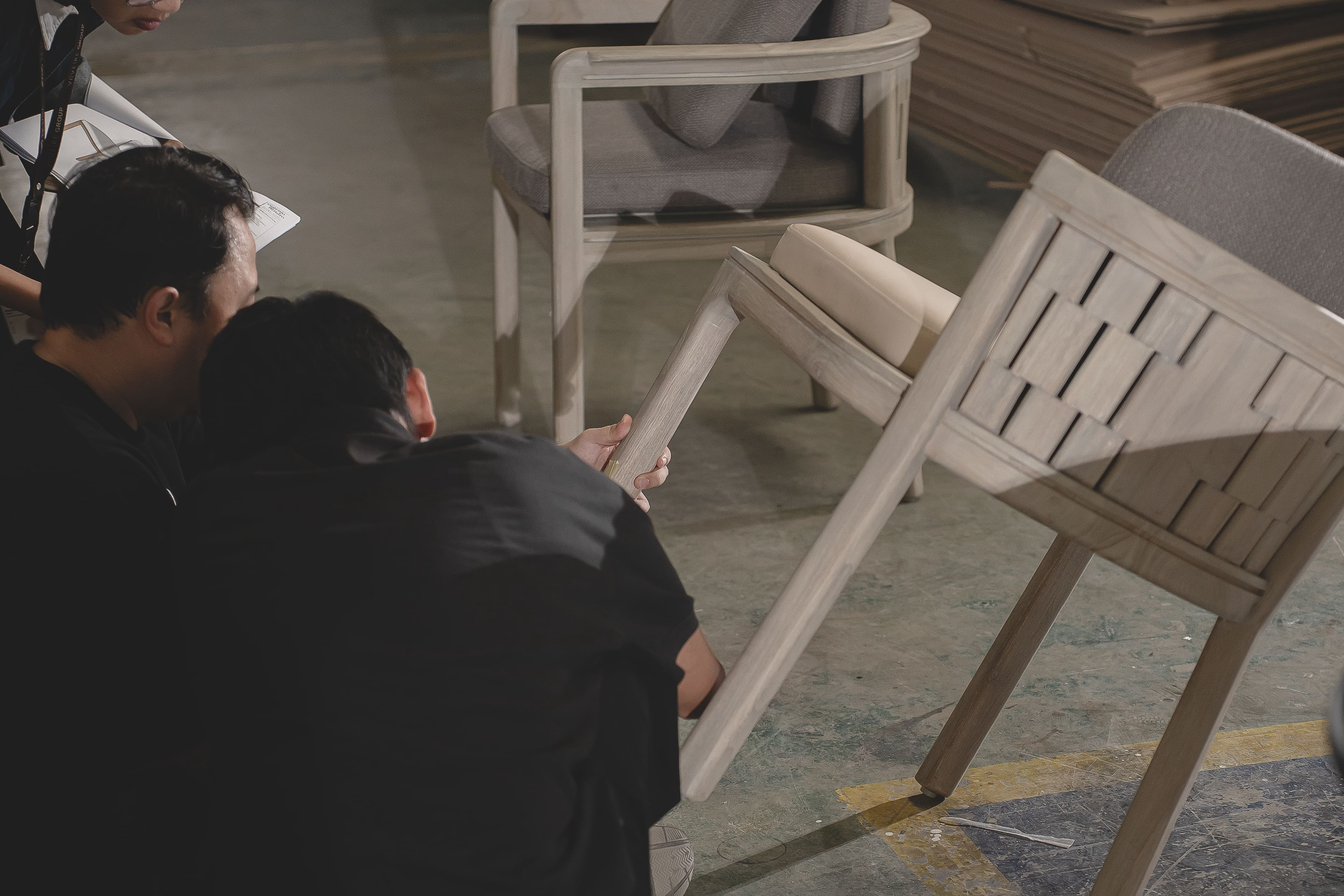
Each line holds its place while contributing to a larger whole. This sense of order reflects how people build and organize the environments around them. Against the curved structure of the pavilion, NATA introduced more grounded geometry. Its composition showed how repetition could create clarity without making the form feel rigid.
MUNI: the rhythm of sound
While PALI and NATA explore rhythms created through human movement and construction, MUNI listens to a rhythm found in nature.
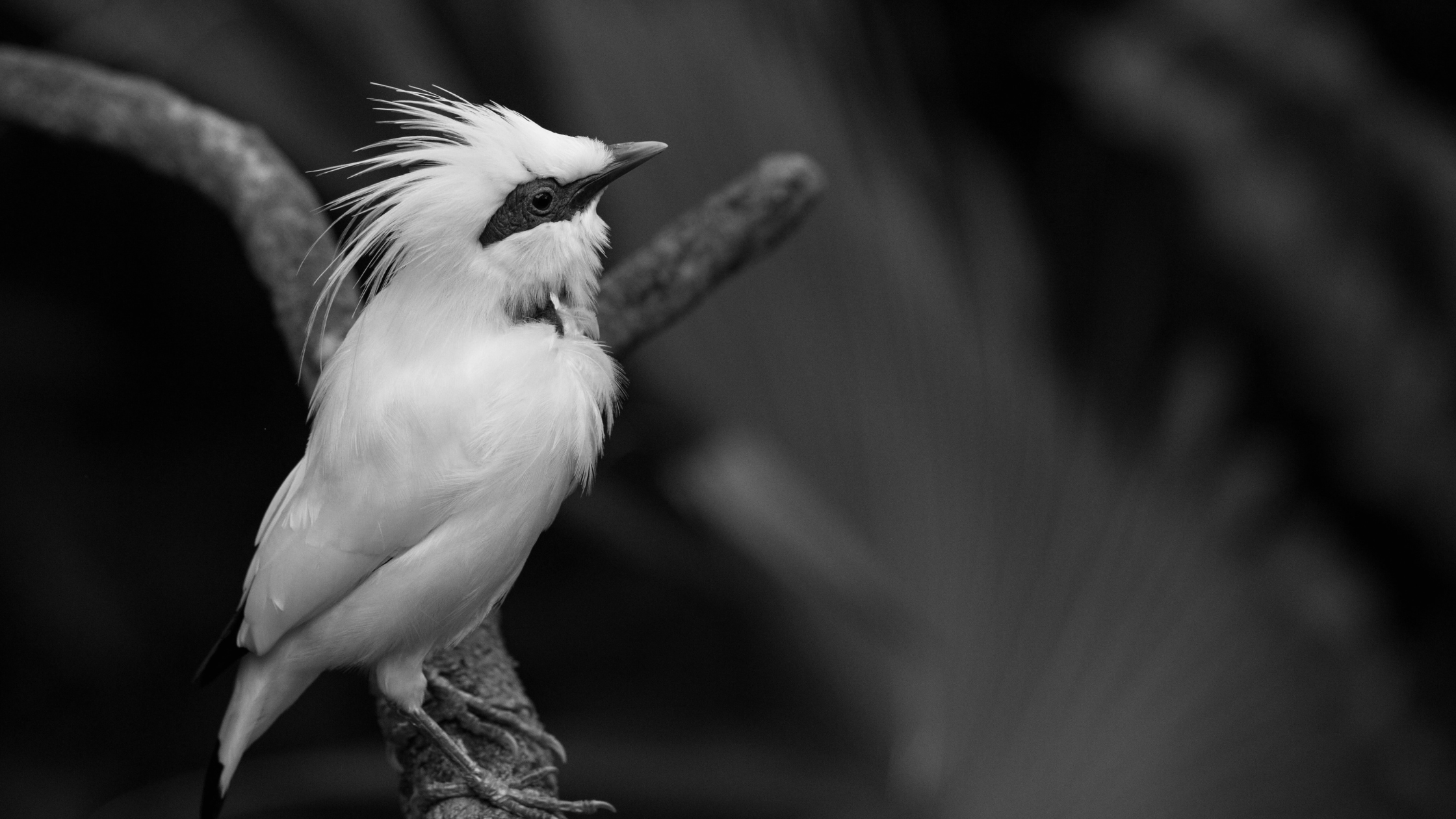
Its name is derived from munyi, the Balinese word for sound. The chair was inspired by the quiet presence of a bird singing from a branch, with melodies returning in subtle variations.
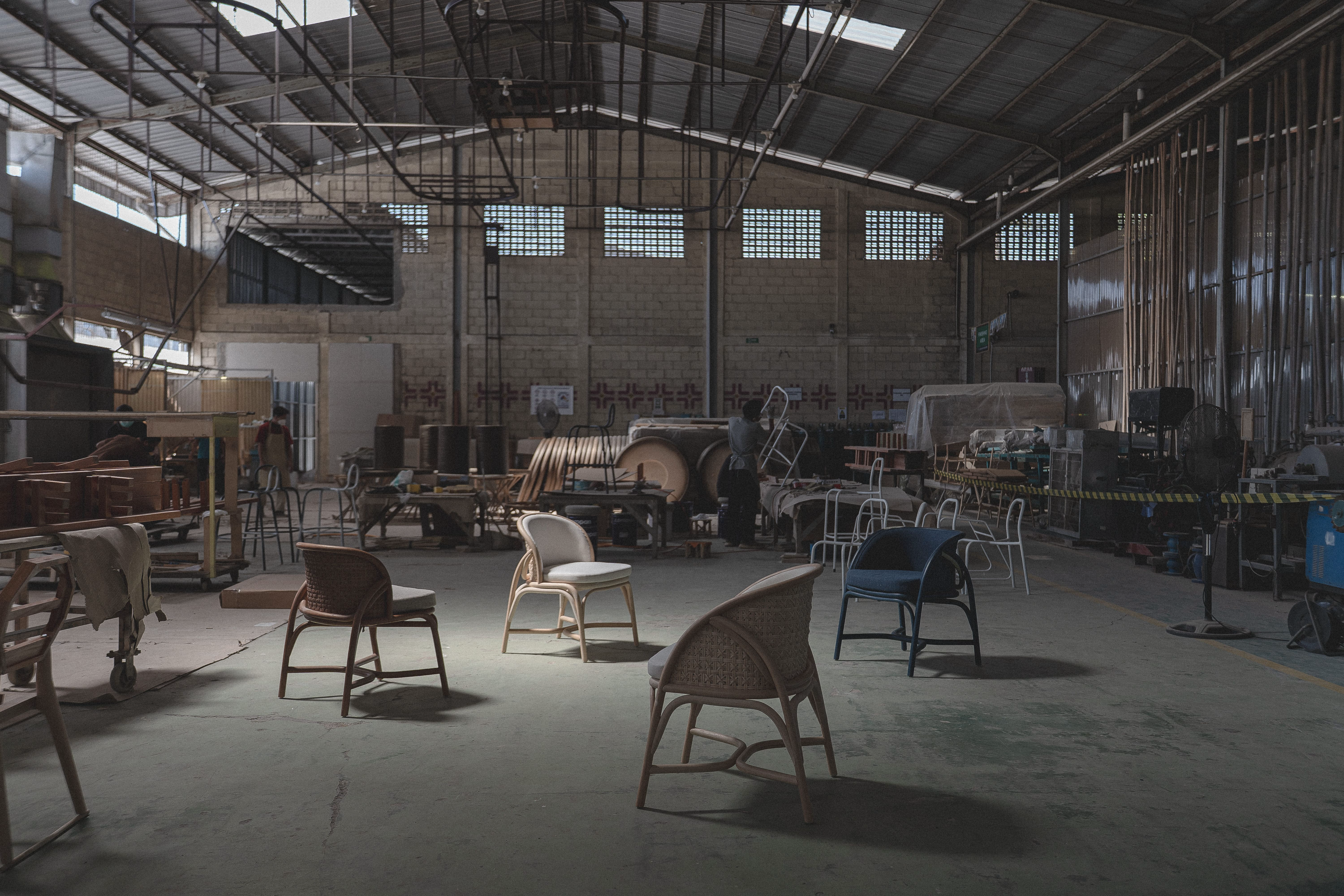
The Jalak Bali informed its posture and silhouette. Straight legs create a steady stance, while the backrest opens outward like wings held close to the body. The reference was not intended as a literal representation. MUNI captures the balance between stillness and movement, similar to the composed moment before a bird takes flight.
Together, PALI, NATA, and MUNI translate three different rhythms into furniture: human steps, constructed order and birdsong. Fabrics by Tiffani were selected to complement the collections, softening their architectural forms while maintaining the natural and muted palette of the pavilion.
Materials as part of the architecture
Materials within Alunan Pesisir were not presented as separate product displays. Each was integrated into the pavilion and given a role within the wider composition.
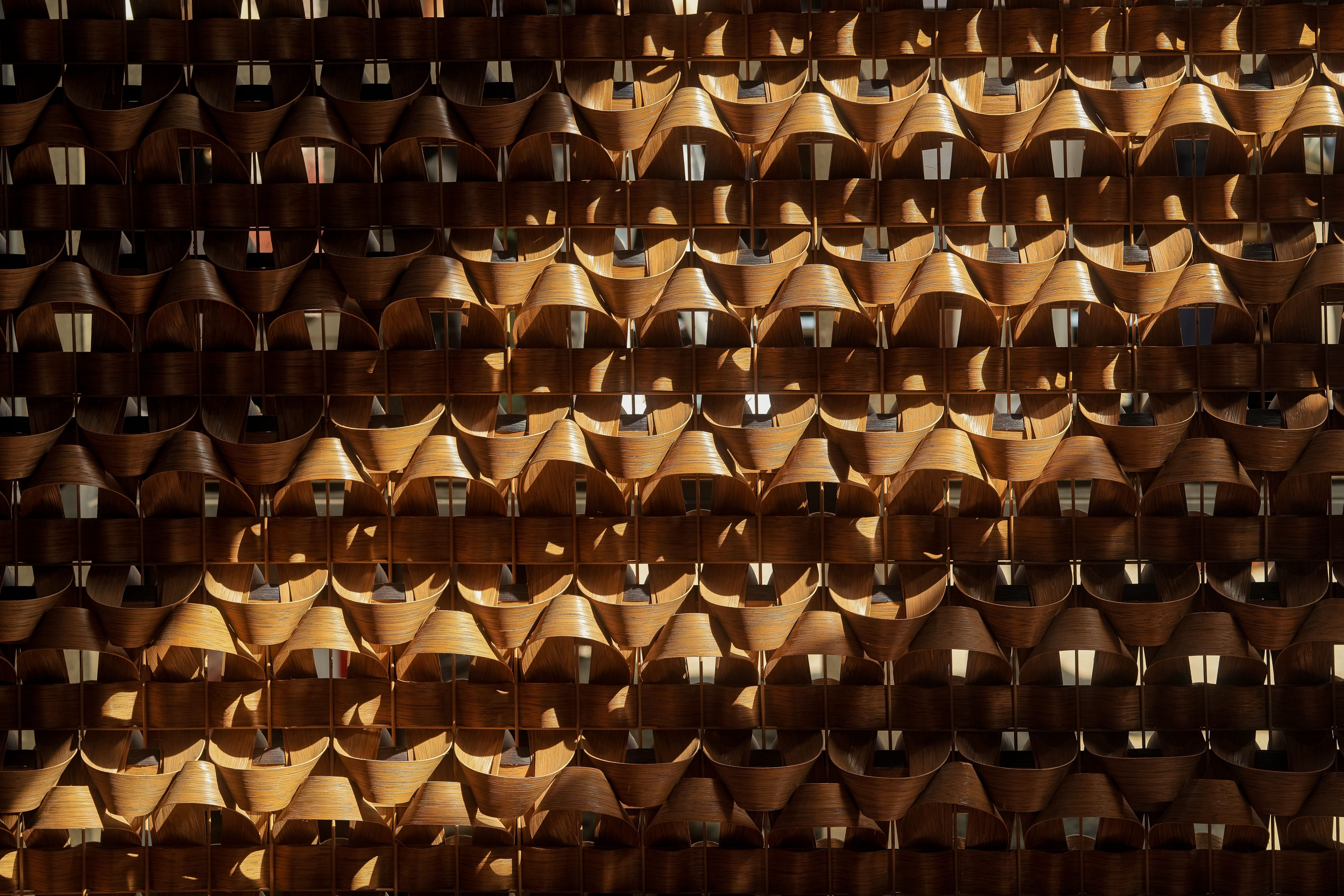
karuun® Nature Tech Material introduced the natural character of rattan through woven architectural details. Its linear grain and flexibility allowed the material to follow the curved geometry while bringing warmth to the structure.
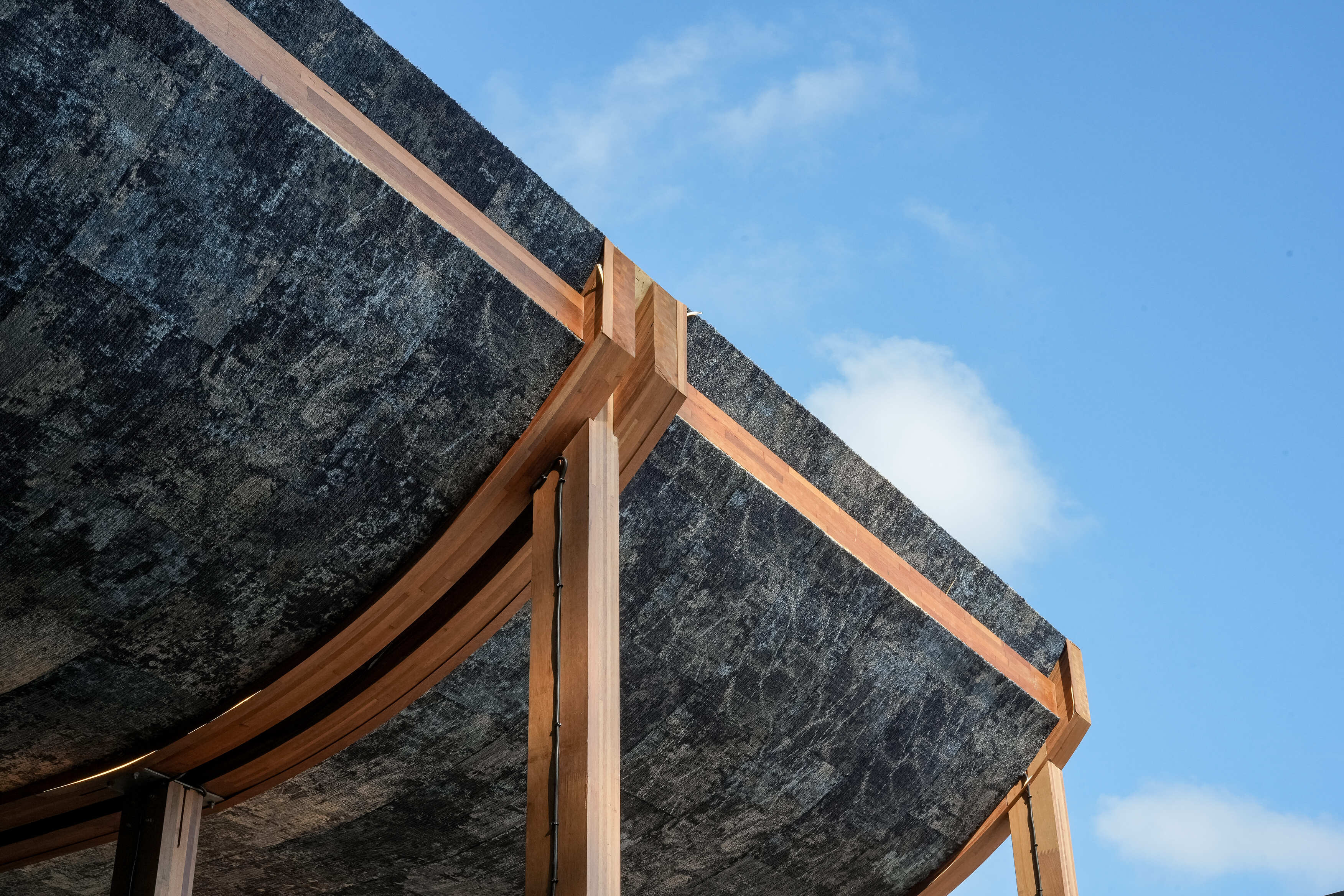
Milliken’s Revelation flooring collection added layers of pattern and color underfoot. Inspired by traces left across weathered surfaces, its gradual variations helped distinguish different areas without relying on enclosed partitions.
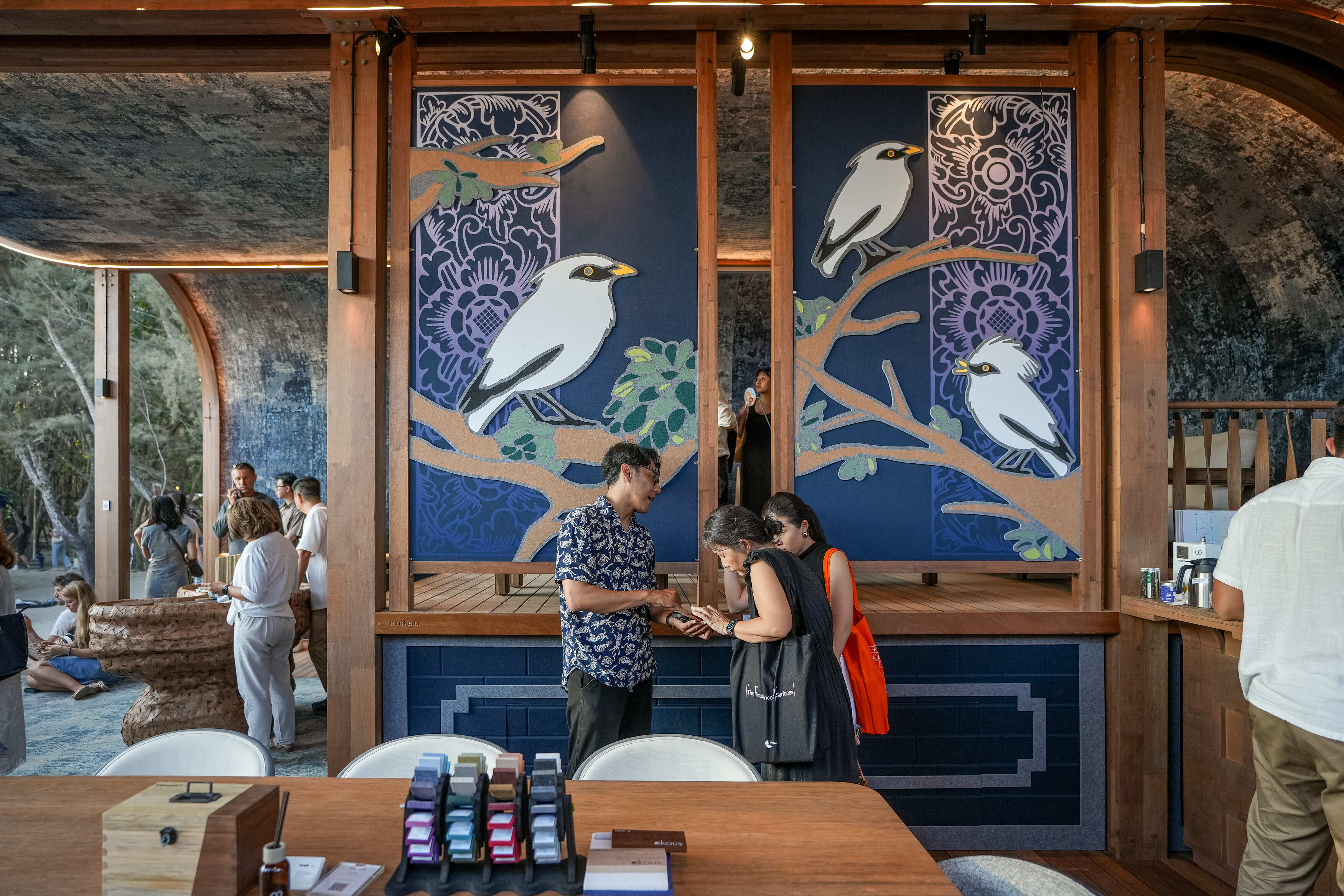
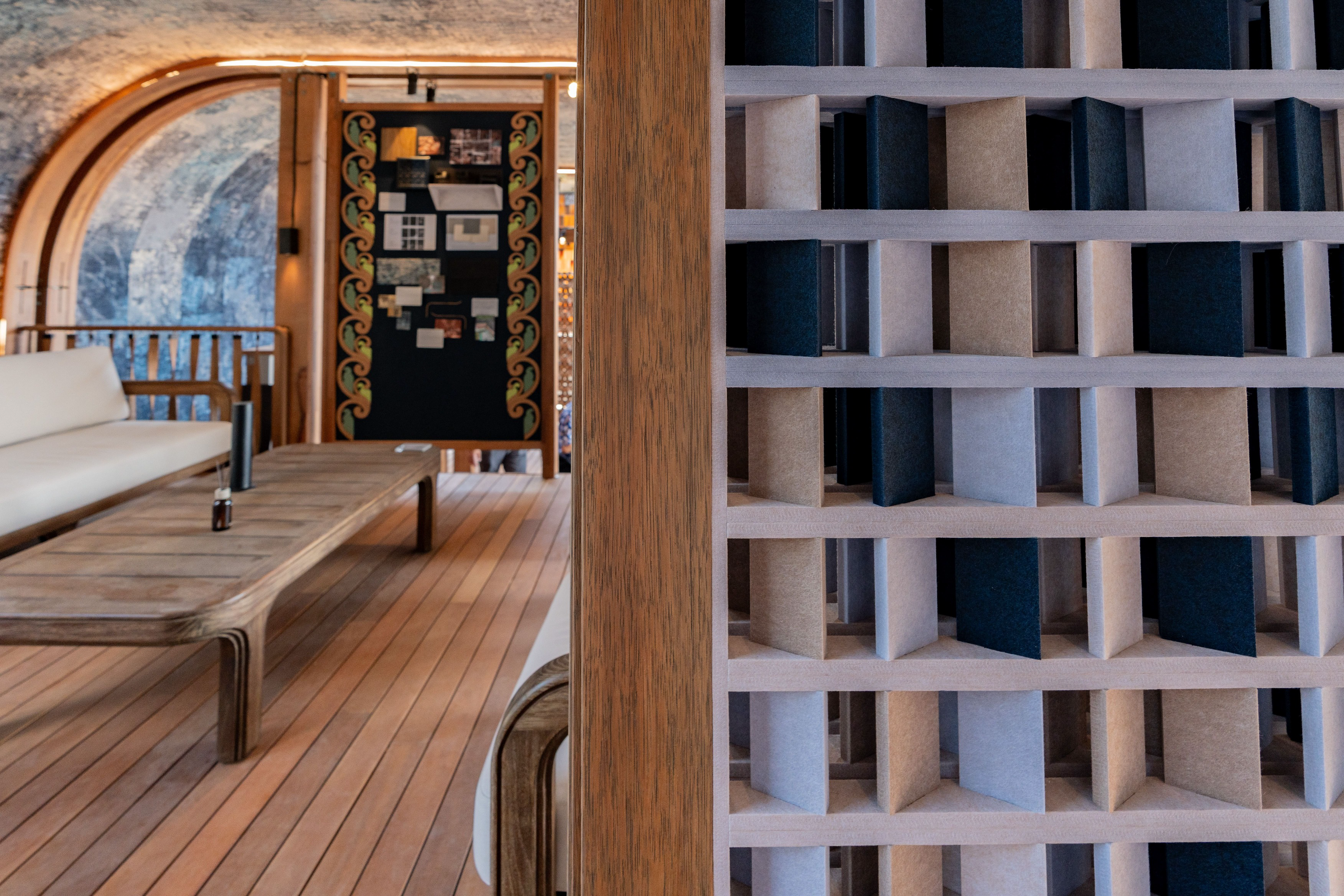
Ekous acoustic surfaces were incorporated into wall panels and illustrated elements inspired by Bali’s natural environment. Alongside their visual role, the panels helped soften sound within the open pavilion and created a more considered acoustic experience.
A subtle home fragrance by Goodvibes completed the atmosphere. It introduced an additional sensory layer that could not be seen but remained present throughout the space. Structure, surface, texture, light, sound, and scent were considered as parts of one environment rather than individual additions.
A space completed by its visitors
Alunan Pesisir was designed to be experienced rather than viewed from a distance.
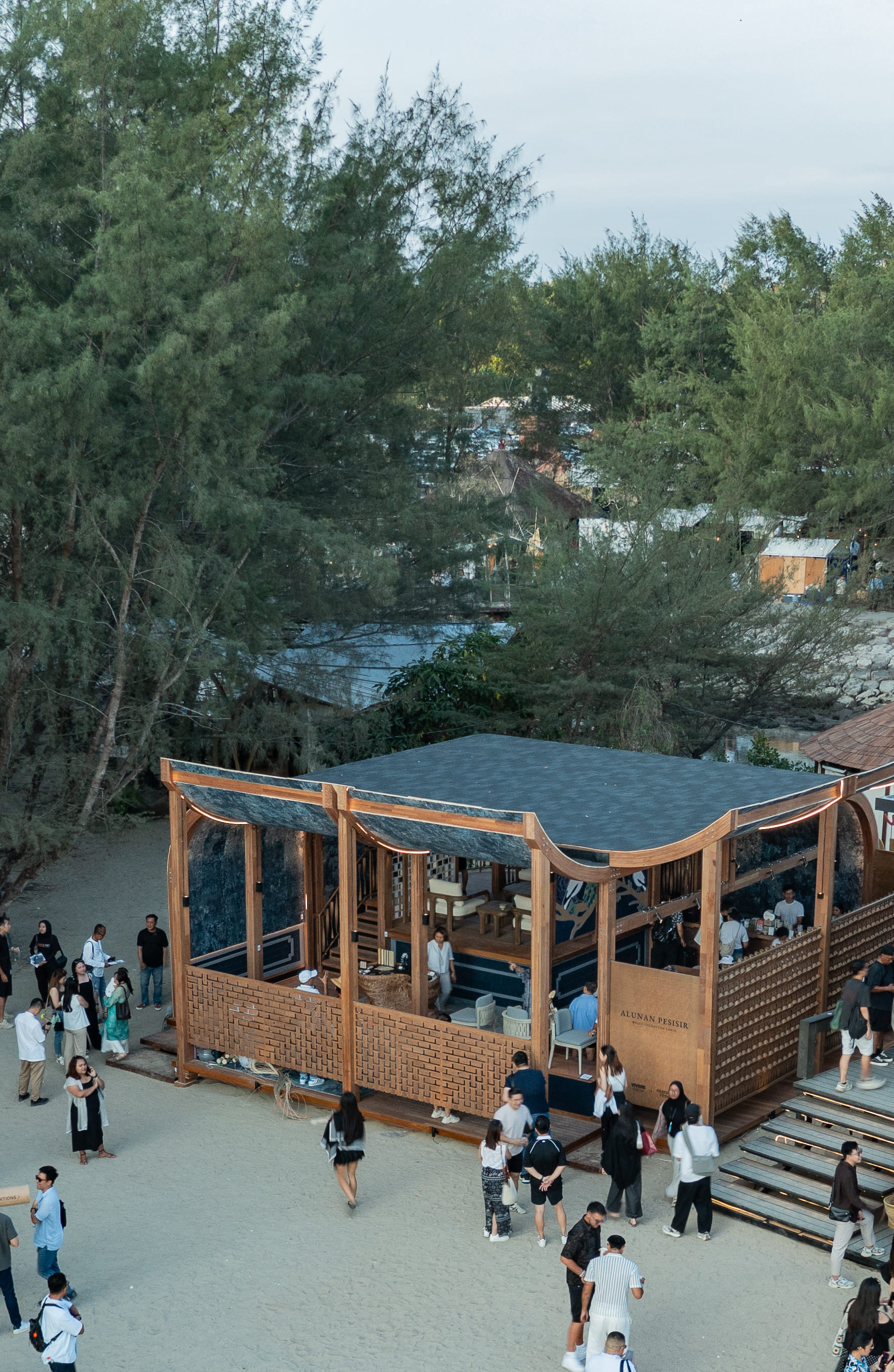
Throughout Jiā CURATED 2026, visitors moved beneath its woven shelter, sat within the furniture, and discovered the material details from different perspectives. Conversations and moments of pause gradually became part of the installation.
The pavilion also hosted Surface in Rhythm, a mini workshop with Milliken and Ekous. Participants explored rhythm through color, texture, and painting, creating personal responses to the materials and ideas presented within the space.
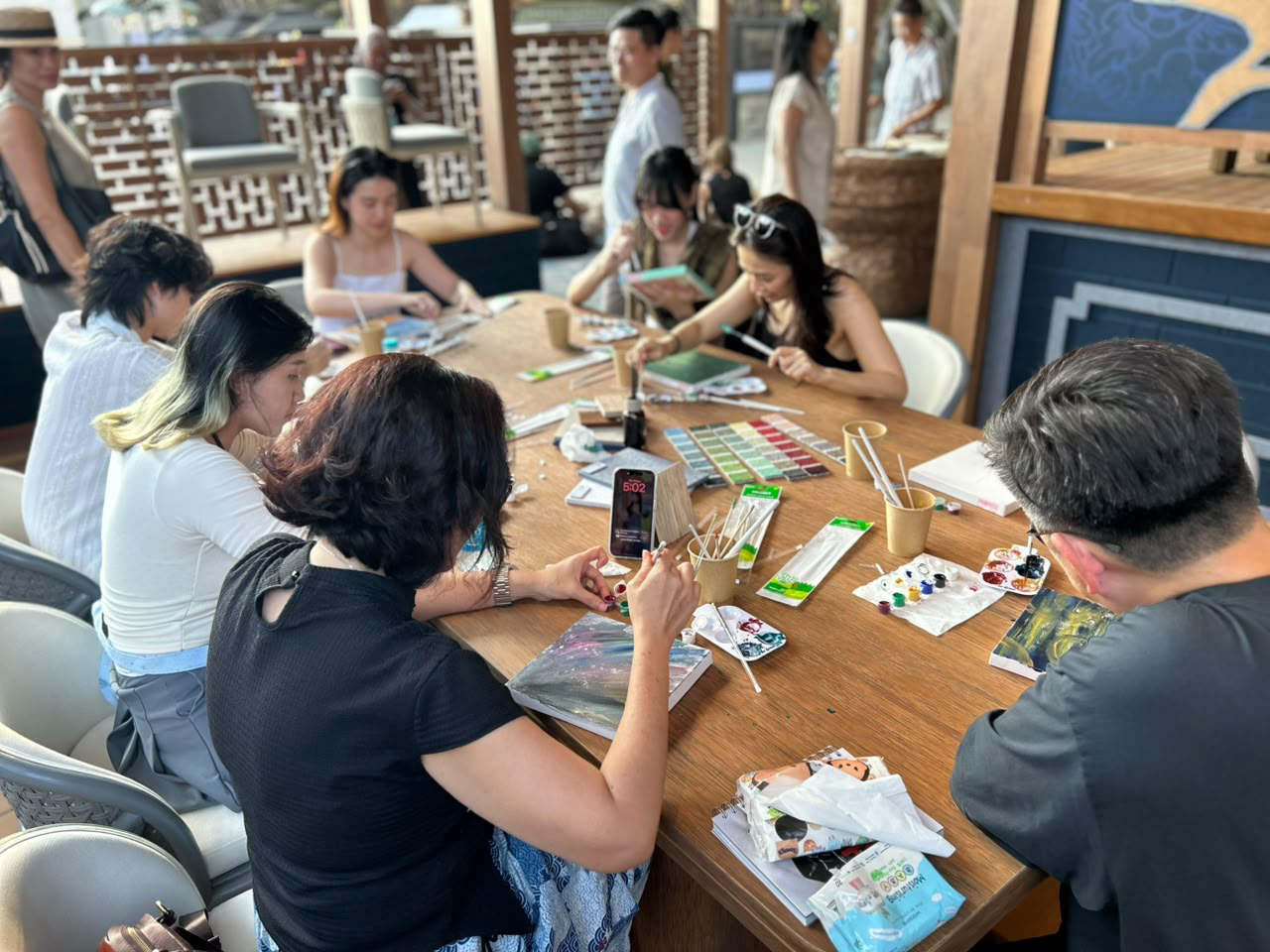
The activity reflected one of the ideas at the heart of Alunan Pesisir: a space only becomes complete when people begin to inhabit it.
What remains
Through Alunan Pesisir, we wanted to show that caring for nature does not always begin with a grand gesture.
It can begin with the way something is designed, the materials chosen to make it, and the relationships formed throughout the process.
As part of VIVERE Group, we were grateful to bring this exploration to JIA Curated 2026 together with Eugenio Hendro and the collaborators who shaped each layer of the pavilion: Timberlab, Ascendo, Highland, Ubinkayu, Tiffani, and Goodvibes.
The pavilion may have returned to stillness, but its rhythm continues through the objects; conversations and memories carried beyond space.
Alunan Pesisir: Where the Rhythm Lands
A design exploration by VIVERE Group × Eugenio Hendro at JIA Curated 2026, Pengembak Beach, Sanur, Bali.